Careers in trucking and logistics
Freight never stops moving, and neither does demand for the people who drive, plan, sell and manage it. Here's how to find your way in.
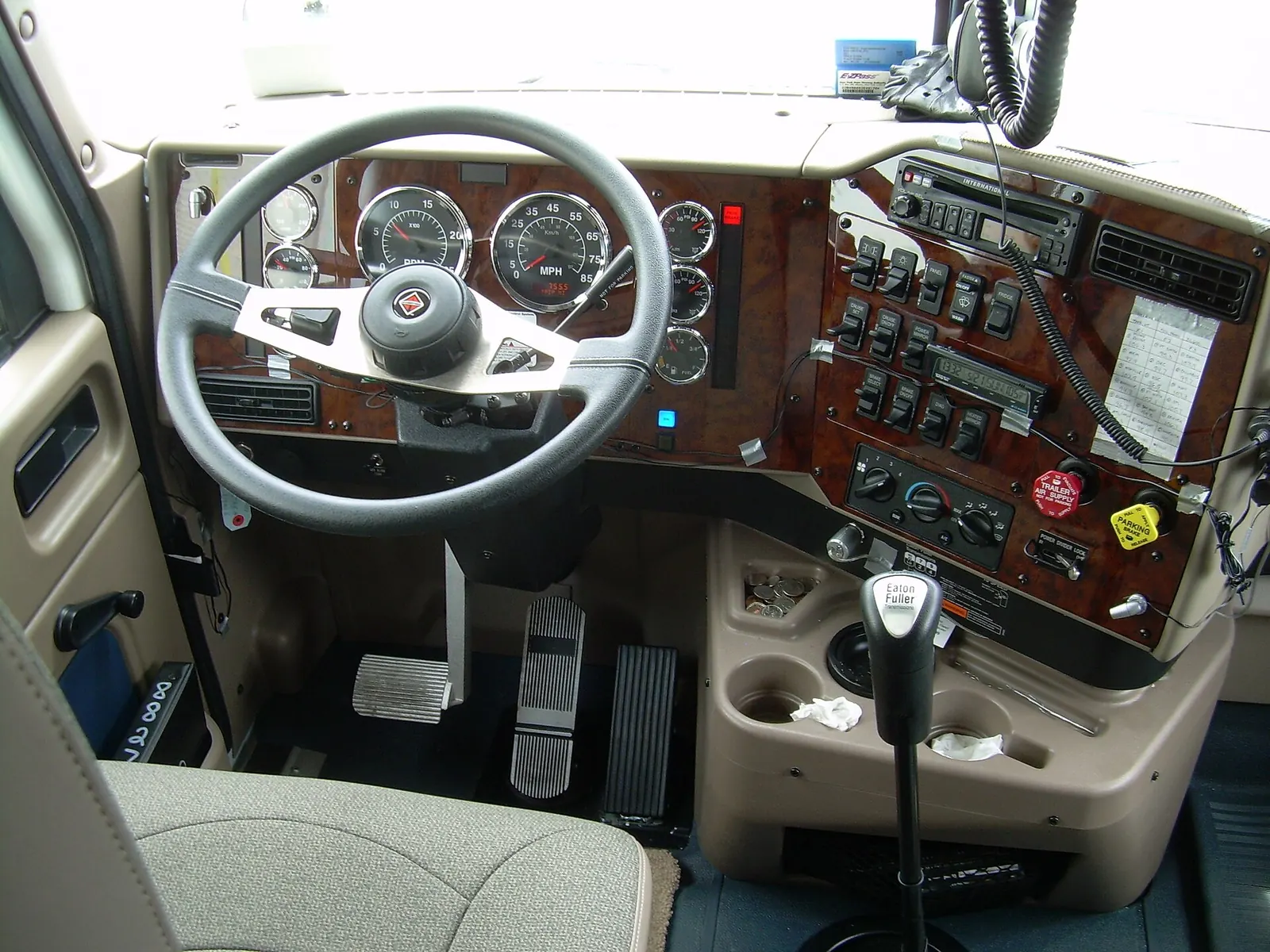
Logistics employs millions of people across North America, in jobs that range from behind the wheel to behind a spreadsheet. Many roles don't require a degree, and experience counts for a lot. Below are the main career paths, what it takes to start and how people typically progress.
Truck driver
Driving a tractor-trailer requires a Class A commercial driver's license (CDL) in the US (Class 1 / AZ in Canada). New US drivers must complete Entry-Level Driver Training from a provider on the FMCSA's Training Provider Registry before taking the skills test. You'll also need a DOT medical card, and interstate drivers must be at least 21.
- Over-the-road (OTR): long-haul, weeks away from home, often the highest mileage pay.
- Regional: a defined multi-state area, usually home weekly.
- Local / dedicated: home daily, often more physical work (multiple stops, unloading).
- Specialized: tanker, hazmat, flatbed, car hauling and oversize, which need endorsements or experience but tend to pay more.
Drivers are paid per mile, per load (a percentage of revenue), hourly or by salary. Owner-operators earn the revenue but carry the costs; see the carrier guide.
Dispatcher
Dispatchers assign loads to drivers, plan routes around hours of service, solve problems in real time and keep customers updated. Strong communication, calm under pressure and comfort with a TMS are essential. Many dispatchers start in customer service or as drivers.
Freight broker and logistics sales
Brokers connect shippers with carriers and earn the margin between them. Entry roles include logistics sales representative (finding and growing shipper accounts) and carrier sales / capacity representative (finding trucks for loads). Expect a mix of base salary and commission. Running your own brokerage in the US requires broker authority and a $75,000 surety bond or trust fund.
Operations, planning and analytics
Larger shippers, carriers and 3PLs hire transportation planners, load planners, logistics analysts, warehouse supervisors, customs specialists and procurement managers. Skills in Excel, SQL or a TMS, plus supply-chain coursework or certifications, help you stand out.
Typical career paths
| Start | Next | Later |
|---|---|---|
| Company driver | Trainer, specialized driver | Owner-operator, fleet owner, safety manager |
| Customer service | Dispatcher | Operations manager, terminal manager |
| Carrier sales rep | Account manager | Brokerage branch or sales director |
| Warehouse associate | Lead, inventory control | Warehouse / DC manager |
| Logistics analyst | Transportation planner | Supply chain manager |
For a quick rundown of what each role does day to day, see logistics job types.
Careers FAQ
How long does it take to get a CDL?
Full-time CDL programs typically take three to seven weeks; part-time courses take longer.
Can I work in logistics without driving?
Absolutely. Most logistics jobs are office, warehouse or remote roles in dispatch, sales, planning, customs and analytics.