Warehousing services, explained
Short-term overflow, seasonal surges or full-time distribution: the right warehouse arrangement depends on how predictable your inventory is.
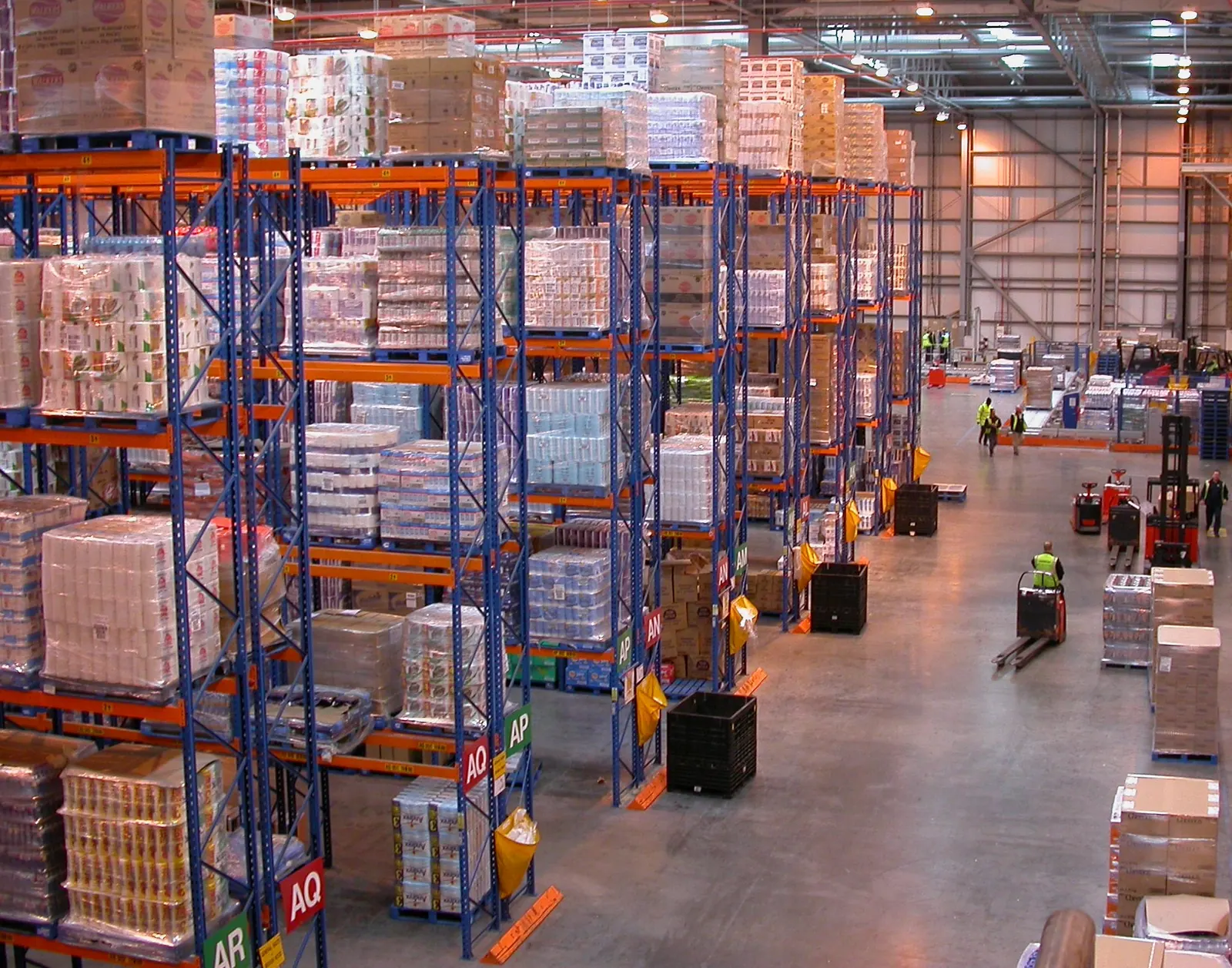
Warehousing is more than renting space. A good warehouse partner receives, stores, protects and ships your inventory, and reports accurately on what is where. Here are the main models and what each costs.
Types of warehousing
Public warehousing
You pay for the space and handling you use, month to month, with no long-term commitment. It is ideal for unpredictable demand, new markets and businesses that want to test a region before committing.
Contract (dedicated) warehousing
A 3PL dedicates a defined area, staff and sometimes systems to your operation under a multi-year agreement. Unit costs are usually lower at scale, and processes can be customized.
Overflow and seasonal storage
Temporary capacity for peak season, a big pre-buy or a product launch. Many shippers keep an overflow partner on standby so they aren't scrambling in October.
Cross-docking
Inbound freight is unloaded, sorted and loaded straight onto outbound trucks, often within 24 hours and without going into storage. It is used to break down truckloads into store deliveries or to consolidate LTL into truckloads.
Specialty warehousing
Temperature-controlled and frozen storage, bonded warehouses (where imported goods can sit before duties are paid), hazmat-certified facilities and food-grade warehouses with sanitation programs.
Common value-added services
- Pick, pack and ship (e-commerce and B2B fulfillment)
- Kitting, labeling and relabeling, retail compliance
- Pallet building and transloading from ocean containers
- Returns processing and inspection
- Inventory cycle counts and lot/expiry tracking
How warehouses charge
| Charge | What it covers | Typical unit |
|---|---|---|
| Receiving / handling in | Unloading and putting away | Per pallet, carton or container |
| Storage | Space occupied | Per pallet per month, or per square foot |
| Handling out | Picking and loading outbound | Per pallet, carton or order |
| Order fulfillment | Pick, pack, packaging materials | Per order plus per item |
| Account management / WMS | Systems access, reporting | Monthly fee |
Ask whether storage is billed on the first of the month (a "split month" or anniversary billing can be cheaper for fast-moving goods) and what the minimum monthly charge is.
How to choose a warehouse
- Location: close to your customers or your inbound port to cut transportation costs.
- Systems: a warehouse management system (WMS) with real-time inventory visibility and integration with your store or ERP.
- Accuracy: ask for measured inventory and order accuracy, and how errors are credited.
- Insurance and liability: understand the warehouse's legal liability limit per pound and buy your own coverage for the rest.
- Scalability: can they absorb your peak without degrading service?
Warehousing FAQ
What is the difference between a warehouse and a distribution center?
A warehouse emphasizes storage; a distribution center emphasizes throughput: receiving, sorting and shipping goods quickly to customers or stores. Many facilities do both.
Is short-term warehousing available?
Yes. Public warehouses and on-demand storage networks offer month-to-month space, which suits seasonal overflow.