International and cross-border shipping
Most border delays are paperwork delays. Here is how to keep freight moving between the US and Canada, and from overseas.
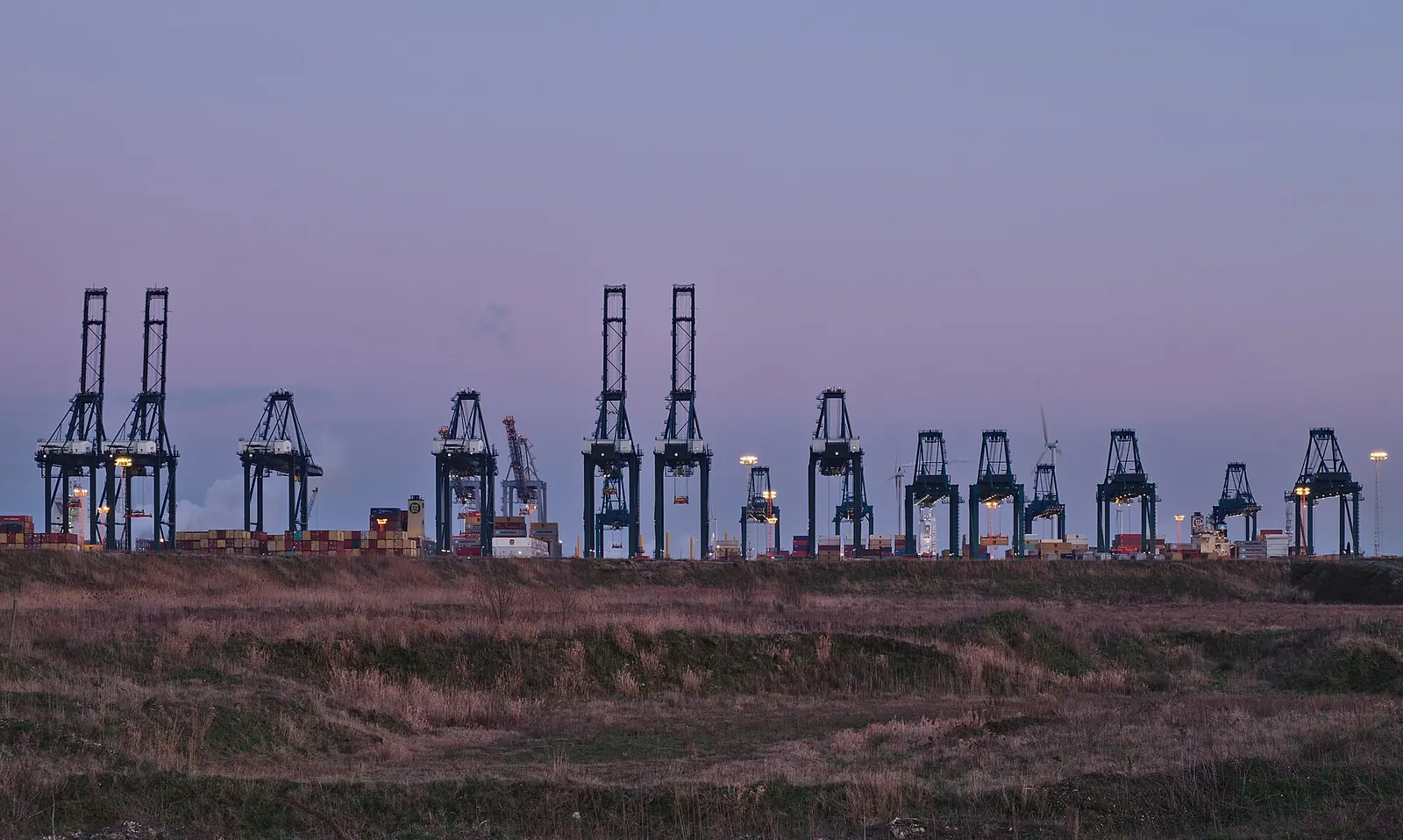
International freight adds two things to a domestic move: customs clearance and the extra parties that come with it. Get those right and cross-border trucking can be almost as smooth as an interstate run.
Trucking between the US and Canada
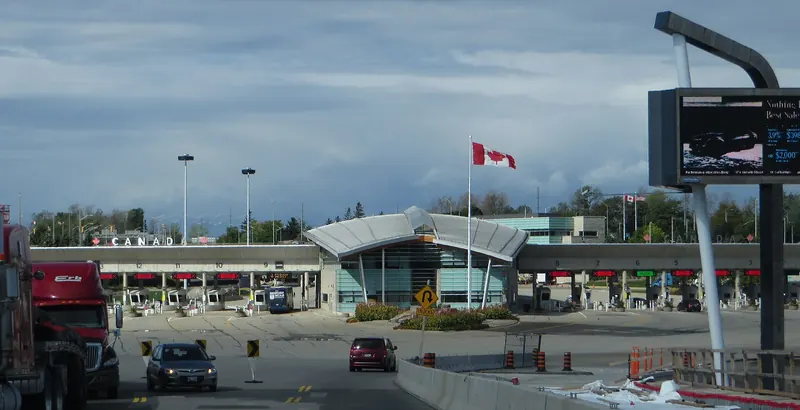
Every truck crossing the border must transmit an electronic manifest before it arrives: ACE eManifest for entry into the US and ACI eManifest for Canada. Separately, the importer's customs broker submits the release request, linked to the shipment by a barcode number: PAPS going into the US and PARS going into Canada.
What the shipper should provide at pickup:
- Commercial invoice (or Canada Customs Invoice) with seller, buyer, detailed description, quantity, value, currency and country of origin
- Customs broker name and contact for the importing side
- Harmonized System (HS) codes for each product
- Certificate of origin information if claiming USMCA/CUSMA preferential treatment
- Any permits (food, agricultural, controlled goods)
Trusted-trader programs such as C-TPAT, PIP and FAST lanes can speed up crossings for qualified carriers and importers.
Incoterms: who pays and who carries the risk
Incoterms 2020 define where responsibility for cost and risk passes from seller to buyer. The ones you'll meet most:
| Term | Seller's responsibility ends… |
|---|---|
| EXW (Ex Works) | When goods are made available at the seller's premises |
| FCA (Free Carrier) | When goods are handed to the buyer's carrier, export-cleared |
| FOB (Free on Board) | When goods are loaded on the vessel (sea freight only) |
| CIF / CIP | Seller pays freight and insurance to destination; risk passes at shipment |
| DAP (Delivered at Place) | When goods arrive at destination, ready to unload, not import-cleared |
| DDP (Delivered Duty Paid) | At destination, with duties and import clearance paid by the seller |
Ocean freight basics
Overseas shipments travel as FCL (full container load, a 20' or 40' box to yourself) or LCL (less than container load, consolidated with other shippers' goods). A freight forwarder books space, prepares documents and coordinates the trucking at each end. For US imports by sea, the Importer Security Filing ("10+2") must be submitted before cargo is loaded at the foreign port.
Once a container lands, it moves inland by truck (drayage) or by rail; see the intermodal section of our managed logistics guide. Watch the free days at the terminal; demurrage and detention charges for containers add up quickly.
Common causes of delay
- Vague product descriptions ("parts", "samples") that customs cannot classify.
- Commercial invoice values that don't match the purchase order.
- No customs broker named, or broker not given documents in time.
- Missing permits for regulated goods such as food, plants, wood packaging (ISPM 15) and firearms.
- Driver or carrier not eligible for the crossing (bond, eManifest access).
FAQ
Do I need a customs broker to ship to Canada?
Not legally in every case, but practically yes for commercial freight. The broker transmits the release data, calculates duties and taxes, and deals with customs on your behalf.
Is USMCA the same as CUSMA?
Yes. The United States-Mexico-Canada Agreement is called CUSMA in Canada and T-MEC in Mexico.