Freight and logistics services, explained
A plain overview of the services trucking and logistics companies sell, what each one is designed for and how to match them to your freight.
Carriers, brokers and third-party logistics (3PL) providers tend to describe their offerings with the same handful of labels. Under those labels, though, the operating model, the price structure and the risk you carry as a shipper can be very different. This page summarizes each service and links to an in-depth guide.
Full truckload (FTL)
A single shipper books an entire trailer, usually a 53-foot dry van, reefer or flatbed. The freight is loaded once and delivered direct, which keeps handling (and damage risk) to a minimum. Truckload is priced per mile or as a flat lane rate and is the default for shipments of 10+ pallets or 15,000+ lb. Read the full truckload guide.
Less than truckload (LTL)
LTL carriers consolidate freight from many shippers onto one trailer and run it through a network of terminals. You pay by weight, distance and freight class, plus any accessorial services. It is the most economical way to move 1–6 pallets but involves more handling and slightly longer transit. Read the LTL guide.
Dedicated freight
In a dedicated contract, a carrier commits trucks, trailers and drivers to your operation for a fixed term. It suits shippers with steady, predictable volume, such as daily store replenishment or plant-to-warehouse shuttles, who need guaranteed capacity during peak seasons. Read the dedicated freight guide.
Auto transport
Vehicles move on specialized car carriers (open or enclosed), or by sea using roll-on/roll-off (RoRo) vessels and containers. Heavy equipment and machinery often travel on lowboy or step-deck trailers. Read the auto transport guide.
Warehousing and distribution
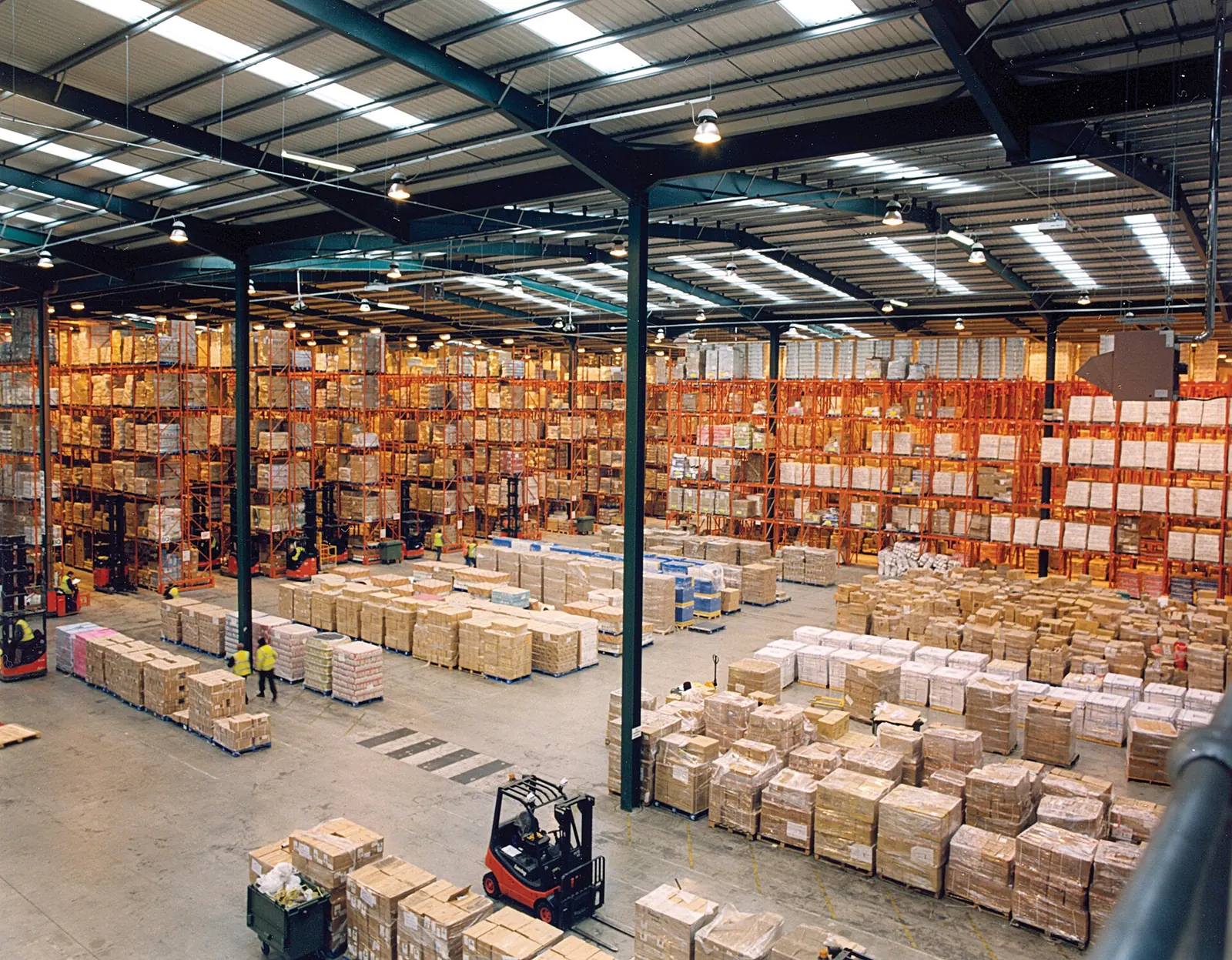
Storage, pick-and-pack, cross-docking and inventory management. Warehousing can be public (pay-as-you-go), contract (dedicated space and staff) or on-demand overflow capacity for seasonal peaks. Read the warehousing guide.
Specialized freight services
Flatbed shipping
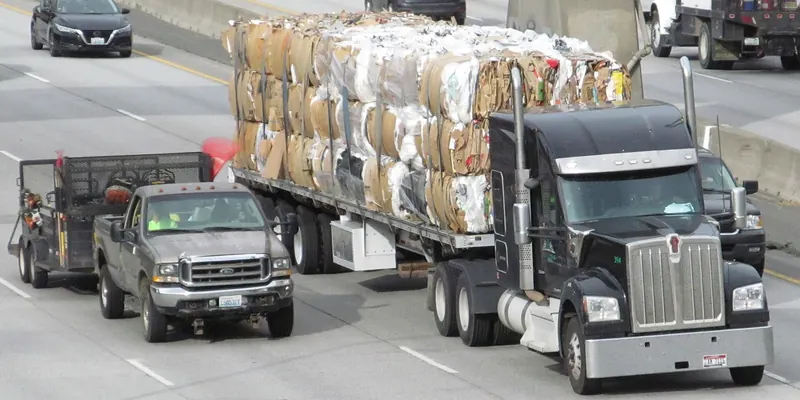
Flatbed, step-deck and double-drop trailers have no walls or roof, so freight can be loaded from the side or top by crane or forklift. They carry construction materials, machinery and anything too tall or awkward for a van. Expect extra charges for tarping and for permits if a load is over-width or over-height.
Refrigerated truckload shipping
Reefer trailers have their own diesel or electric refrigeration unit and can hold anywhere from deep-frozen to warm settings. Shippers should specify the set point, whether the unit runs continuously or cycles, and whether pre-cooling is required, all of which should be written on the bill of lading.
Intermodal shipping
Intermodal moves a standardized container by rail for the long middle leg, with trucks (drayage) handling the first and last miles. It is often cheaper and lower-emission than all-truck service on lanes over about 700 miles, in exchange for one to three extra days of transit.
Cross-border shipping
Freight between the US, Canada and Mexico needs a customs broker, pre-filed electronic manifests and the right trade documents. Delays are almost always caused by paperwork, not driving time. See our international and cross-border guide.
High-value and sensitive cargo
Electronics, pharmaceuticals, artwork and similar goods may need team drivers, sealed trailers, GPS tracking, extra cargo insurance and no-stop routing. These services cost more and should be requested explicitly at quote time.
Container shipping
Ocean containers (20', 40' and 40' high-cube) move goods internationally in sealed steel boxes. Inland, the same container can ride a chassis behind a truck or stack on a rail car, so the freight is never unloaded until it reaches the consignee.
How to choose
- Measure the freight. Count pallets, record dimensions and actual weight. Almost every pricing decision flows from these numbers.
- Define the deadline. A firm delivery appointment points to truckload; a flexible window opens up LTL, intermodal or consolidation.
- Note special handling. Temperature, hazmat, liftgate, residential delivery and fragile items all change the equipment and the price.
- Get comparable quotes. Use our freight quote checklist so every quote covers the same services.