Freight technology, explained
From electronic logs to algorithmic load matching, here's what the main freight technologies do and how shippers and carriers actually use them.
Freight used to run on phone calls, faxes and paper logbooks. Today, most of the moving parts are digital, but the technology only helps if you understand what each piece is for.
Transportation management systems (TMS)
A TMS is the central system for planning, executing and paying for freight. Typical features include rate management, load building and optimization, carrier tendering, tracking, dock scheduling, freight audit and analytics. Shippers use a TMS to control spend; carriers and brokers use their own versions to dispatch and bill.
Electronic logging devices (ELDs)
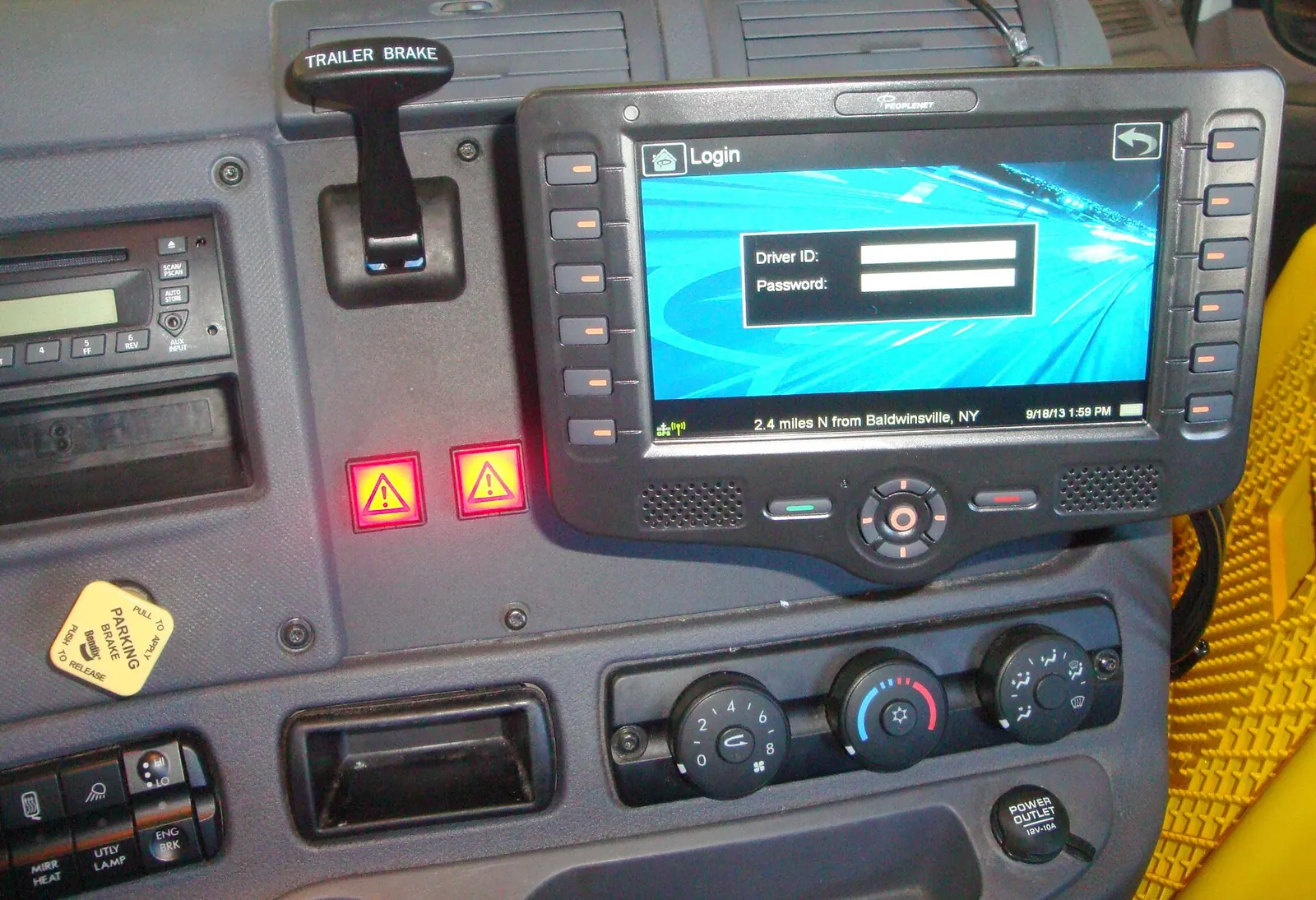
In the US, most commercial drivers must record hours of service on an ELD connected to the truck's engine, a rule fully in effect since December 2019. Canada introduced its own third-party-certified ELD requirement for federally regulated carriers. Beyond compliance, ELDs provide GPS location, engine diagnostics and fuel data that fleets use to improve efficiency.
Real-time tracking and visibility
Visibility platforms pull location data from ELDs, driver smartphone apps or trailer-mounted GPS and turn it into predicted arrival times for shippers and receivers. Good visibility reduces check calls, helps warehouses schedule labor and flags late loads before they become missed appointments. Reefer telematics add temperature monitoring and alerts.
Load boards and automated freight matching
Load boards list available freight and trucks. Newer digital freight platforms go further, using algorithms to recommend loads to carriers based on location, equipment, preferred lanes and hours available, and sometimes booking instantly at a posted price. For carriers, that means less time on the phone; for shippers, faster coverage.
Machine learning in pricing and procurement
Rate prediction models use historical and market data to estimate what a lane should cost today, helping brokers quote instantly and shippers benchmark contract bids. Treat any automated price as an estimate: weather, holidays and sudden capacity shifts can move real rates quickly.
Carrier performance and vetting
Carrier monitoring tools check operating authority, insurance status and safety data continuously, and flag changes such as a lapsed policy or an identity mismatch. With fraud and double-brokering on the rise, automated vetting has become essential for anyone tendering freight to carriers they don't know personally.
Digital documents
Electronic bills of lading, mobile POD capture and document portals cut billing cycles from weeks to days. For carriers, faster paperwork means faster payment; for shippers, it means quicker invoice audit and fewer disputes.
Choosing technology
- Start with the problem: spend control, visibility, compliance or cash flow.
- Check integrations with your ERP, WMS, accounting and carriers.
- Ask for a pilot on real lanes and measure before and after.
- Make sure you own and can export your data.