The carrier and owner-operator guide
Running your own trucking business means mastering compliance, cash flow and load selection as much as driving. Here's the roadmap.
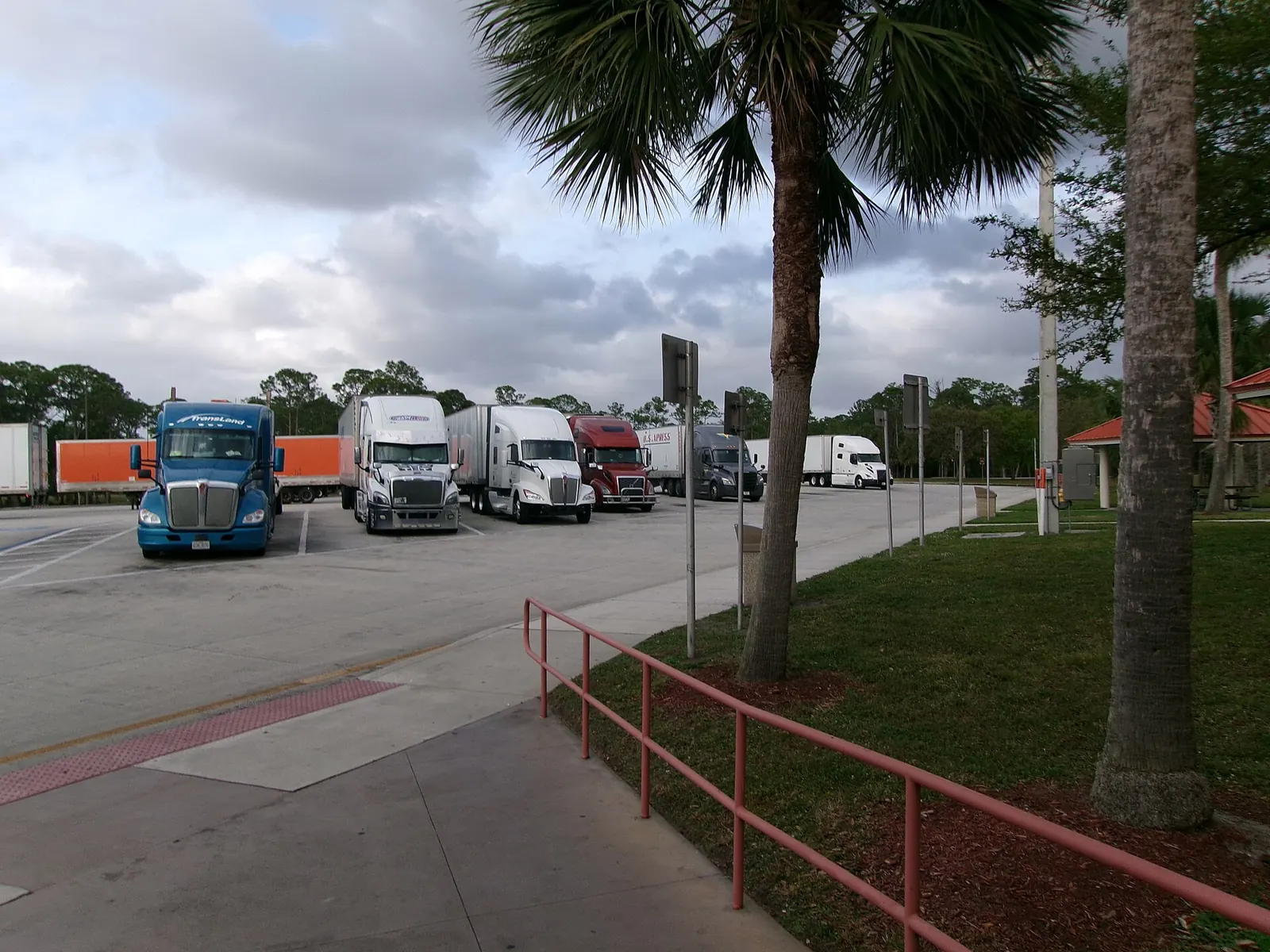
Thousands of new motor carriers are registered every year, and many don't make it past the second. The ones that last tend to get three things right: compliance from day one, disciplined cost tracking and a mix of freight that keeps the truck loaded. This guide focuses on US interstate operations, with notes for Canada.
Getting your operating authority
- Form your business (LLC or corporation is common) and get an EIN.
- Register with the FMCSA through its Unified Registration System to obtain a USDOT number and, for for-hire interstate freight, MC operating authority.
- File insurance: your insurer files proof of at least the federal minimum public liability coverage. Most shippers and brokers expect $1,000,000 auto liability and $100,000 or more in cargo coverage.
- Designate process agents in each state with a BOC-3 filing.
- Register for UCR, IRP apportioned plates and IFTA fuel tax if you run multiple states.
- Set up a drug and alcohol testing program and register in the FMCSA Drug & Alcohol Clearinghouse.
New authorities usually wait through a protest period before becoming active, and many brokers won't load carriers whose authority is only a few weeks or months old, so plan your cash runway accordingly. In Canada, carriers need a provincial safety fitness certificate (such as a CVOR in Ontario or an NSC number in other provinces).
Carrier setup packets
Before a broker or shipper tenders you a load, they'll ask for a carrier packet: W-9, certificate of insurance naming them as certificate holder, authority letter, signed broker-carrier agreement and payment details. Keep a ready-made PDF bundle and update it whenever your insurance renews.
Finding freight
- Load boards: fast access to spot freight; useful for repositioning and filling gaps.
- Broker relationships: reliable performance on a few lanes leads to repeat and dedicated freight offers.
- Direct shippers: highest rates and most stable freight, but longer sales cycles and stricter requirements.
- Leasing on to a larger carrier: operate under their authority in exchange for a percentage, reducing admin while you learn.
Know your cost per mile
Every rate decision should start from your all-in cost per mile: truck payment, insurance, fuel, maintenance reserve, tires, permits, tolls, your own pay and overhead, divided by total miles including deadhead. A load that pays well on loaded miles can lose money once you count the empty miles to the next pickup.
Quick check: rate ÷ (loaded miles + deadhead miles) should comfortably exceed your cost per mile.
Getting paid: invoicing and factoring
Brokers and shippers commonly pay in 30 to 45 days. To bridge the gap, many small carriers use freight factoring: a factor advances most of the invoice value within a day or two and collects from the customer, for a fee. Compare recourse vs. non-recourse terms, fees, contract length and whether you must factor every load. Whatever you choose, send clean invoices with signed BOLs and PODs.
Staying compliant
- Hours of service: 11 hours of driving in a 14-hour window, a 30-minute break after 8 cumulative hours of driving, and 60/70-hour limits over 7/8 days, recorded on an ELD.
- Driver qualification files, annual MVRs and medical cards.
- Daily vehicle inspection reports and annual inspections.
- Keep an eye on your CSA scores, which shippers and brokers check.
See freight technology for ELD and TMS options and trucking careers if you're still deciding whether to go independent.
Carrier FAQ
What's the difference between a USDOT number and an MC number?
The USDOT number identifies your company for safety monitoring. The MC number is the operating authority that allows for-hire carriage of regulated freight across state lines.
How much insurance do I really need?
The legal minimum depends on what you haul, but in practice most customers require $1M liability and at least $100,000 cargo. Higher-value freight may require more.