Managed logistics and 3PL partnerships
When freight spend grows faster than your team, a managed logistics provider can run transportation for you, if you set it up with the right visibility and incentives.
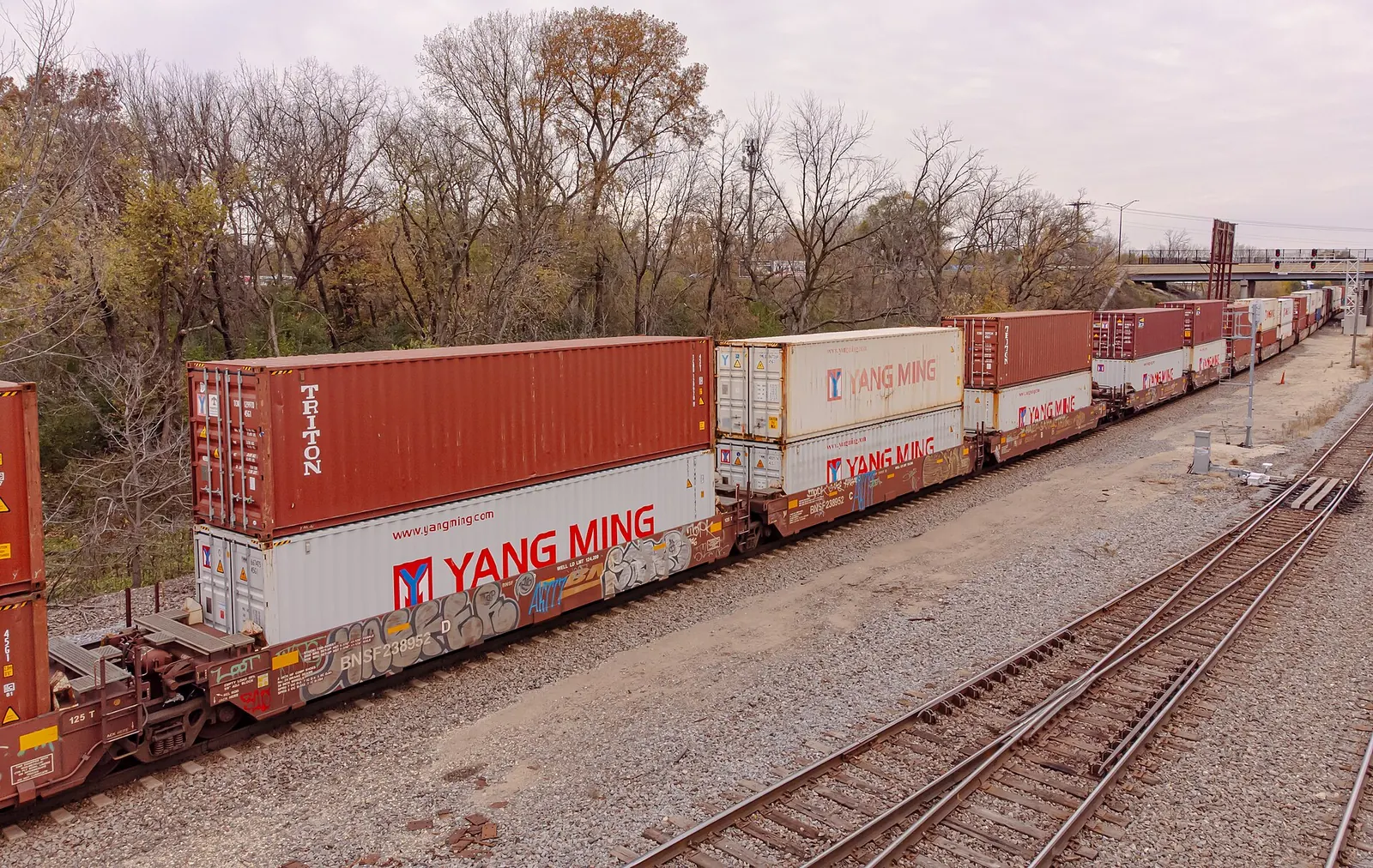
Managed logistics, sometimes called managed transportation services (MTS), means outsourcing the planning, execution and analysis of your freight to a third-party logistics provider (3PL). Instead of booking each load yourself, the provider runs your transportation using its people, technology and carrier network, while you keep strategic control.
What's typically included
- Carrier sourcing, procurement events and rate negotiation
- Load planning, consolidation and mode selection (LTL vs. TL vs. intermodal)
- Tendering, tracking and exception management
- Dock scheduling and appointment management
- Freight audit and payment
- Reporting: cost per unit, on-time performance, carrier scorecards
Mode optimization and intermodal
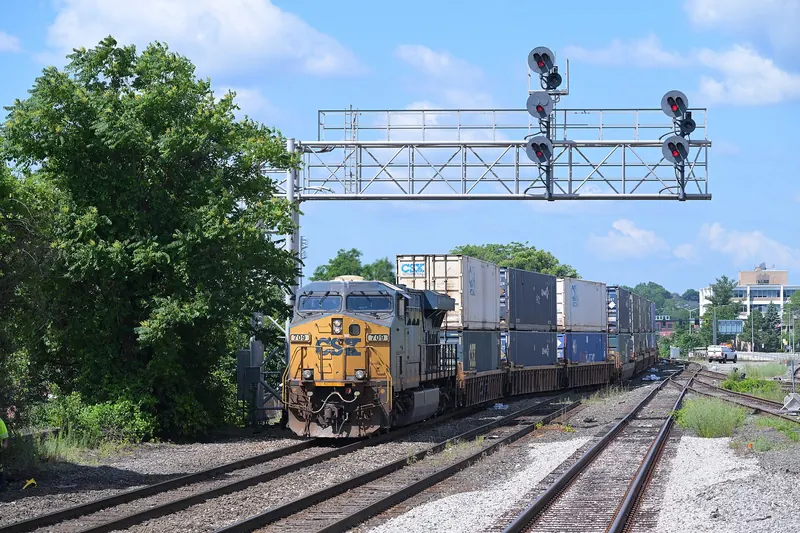
One of the biggest savings levers is moving freight to the right mode. Long-haul lanes over roughly 700 miles with flexible delivery dates are prime candidates for intermodal: a container travels by rail for the long middle leg with trucks at each end. A good provider will analyze your history to find these lanes, along with LTL shipments that can be consolidated into multi-stop truckloads.
Pricing models
| Model | How it works | Watch for |
|---|---|---|
| Management fee | Flat monthly fee or % of freight spend; carrier costs passed through at cost | Full transparency into carrier invoices |
| Transactional / per-load | Fee per shipment managed | Incentive to increase shipment count |
| Gainshare | Provider earns a share of savings versus a baseline | How the baseline is set and measured |
| Brokered margin | Provider buys capacity and resells at a markup | Margin is not visible to you |
KPIs to agree on
- On-time pickup and delivery percentage
- Tender acceptance rate (how often the first carrier accepts)
- Cost per pound, per unit or per mile, normalized for fuel
- Invoice accuracy and claims ratio
- Carbon emissions per shipment, increasingly requested by customers
Is managed logistics right for you?
It tends to pay off when freight spend is significant but you don't have a full in-house transportation team, when you ship across multiple modes and regions, or when growth has outpaced your systems. It's less compelling if you have a few stable lanes that can be covered by contract carriers or a dedicated fleet.
FAQ
What's the difference between a 3PL and a 4PL?
A 3PL performs logistics services, often with its own assets or brokerage. A 4PL acts as an integrator that manages multiple 3PLs and carriers on the shipper's behalf, usually without its own assets.
Will I lose visibility into my freight?
You shouldn't. Insist on access to the provider's TMS or regular data exports, with load-level costs and performance.