Dedicated freight solutions
When you move the same lanes week after week, a dedicated fleet trades some flexibility for guaranteed capacity, consistent drivers and predictable costs.
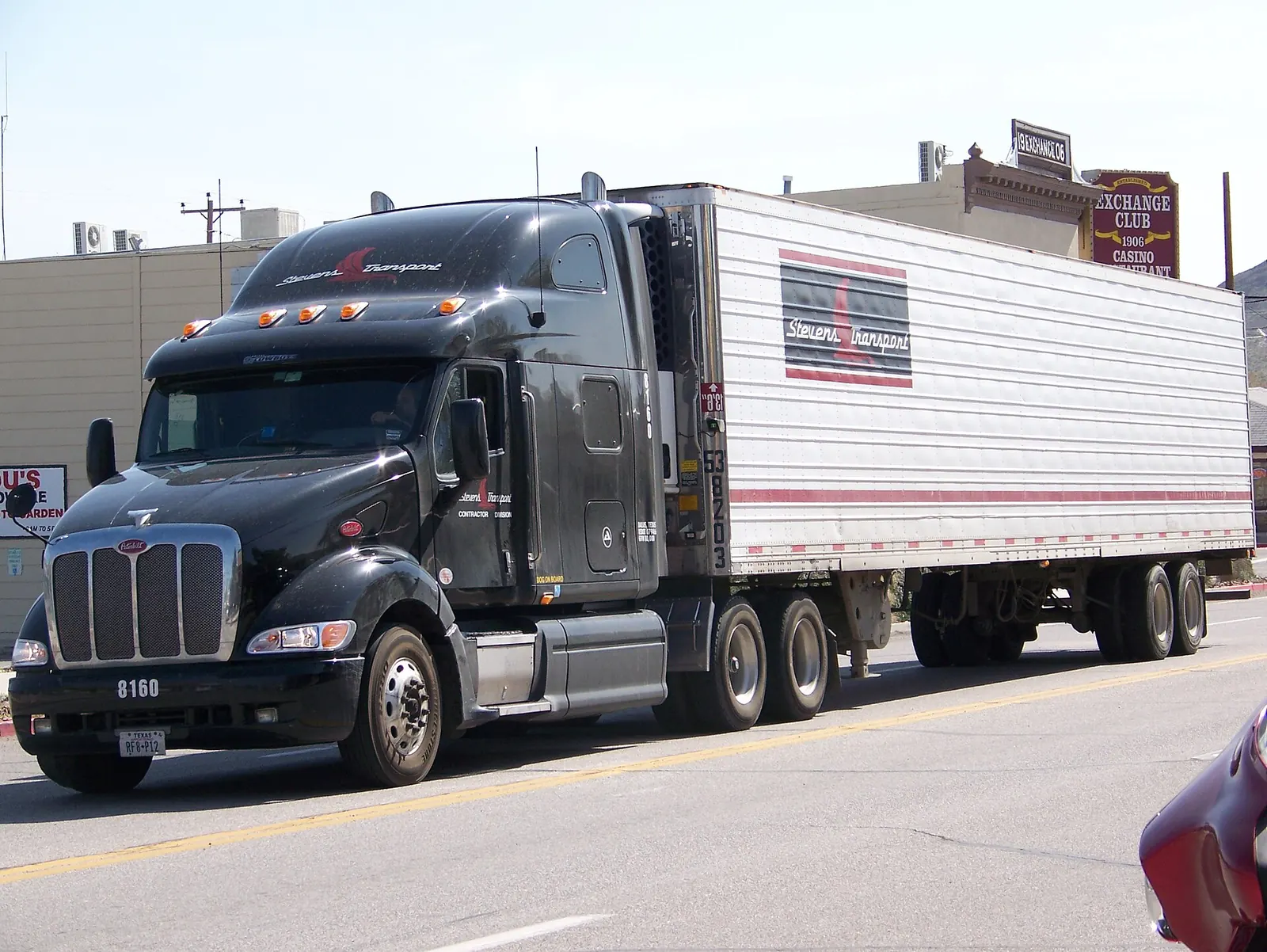
Dedicated freight, also called dedicated contract carriage (DCC), is an arrangement in which a carrier assigns specific trucks, trailers and drivers to one shipper for a contracted period, usually one to five years. The fleet runs your freight on your schedule, and the drivers learn your docks, your customers and your products.
Who uses dedicated fleets?
- Retailers and grocers replenishing stores from a distribution center every day.
- Manufacturers shuttling parts between plants or from plant to warehouse.
- Food and beverage distributors with multi-stop routes and temperature requirements.
- Building-material suppliers delivering to job sites with specialized unloading equipment.
- Any shipper whose service levels suffer when spot-market capacity disappears during peaks.
Dedicated vs. one-way truckload vs. private fleet
| One-way truckload | Dedicated | Private fleet | |
|---|---|---|---|
| Capacity guarantee | None beyond each tender | Contracted | Full control |
| Capital required | None | None | Trucks, trailers, maintenance, drivers |
| Driver familiarity | Different driver each load | Same drivers | Your employees |
| Pricing | Per load, market-driven | Fixed weekly charge + variable per mile | All costs on your books |
| Flexibility | High | Medium | Low |
How dedicated contracts are priced
Most dedicated agreements combine a fixed charge per truck per week (covering the equipment, insurance and a baseline of driver pay) with a variable charge per mile or per stop, plus fuel. Some contracts add incentives for on-time performance or safety. Because the carrier is committing assets, contracts usually include minimum utilization levels and early-termination clauses. Read those carefully.
Specialized equipment
A dedicated fleet can be configured around your freight: liftgates and pallet jacks for store delivery, multi-temperature reefers with movable bulkheads, flatbeds with truck-mounted forklifts, or high-cube vans for light, bulky product. Carriers will often refresh equipment on a set cycle to keep fuel efficiency up and maintenance downtime down.
Is your volume right for dedicated?
Dedicated generally makes financial sense when:
- You can keep a truck busy five or more days a week, ideally with loaded miles in both directions.
- Your lanes are stable and predictable for at least a year.
- Service failures (missed store deliveries, line-down events) cost more than the premium for guaranteed capacity.
- You need drivers to perform extra work such as unloading, merchandising or collecting returns.
If you have consistent freight but not enough to fill a truck daily, ask carriers about contract truckload with committed weekly volumes instead. It provides some of the capacity security without the fixed weekly charges.
Dedicated freight FAQ
How long are dedicated trucking contracts?
Commonly three to five years for fleets with specialized equipment, and one to three years for standard dry van or reefer operations.
Who employs the drivers in a dedicated fleet?
The carrier does. They handle hiring, training, payroll, compliance and safety, while the drivers work exclusively on your freight.
Can a dedicated fleet handle backhauls?
Yes, and it should. Filling the return trip with supplier pickups or third-party freight is one of the best ways to reduce the net cost of a dedicated operation.