The shipper's handbook
Everything a business needs to know to ship freight confidently, from the first quote to a signed proof of delivery.
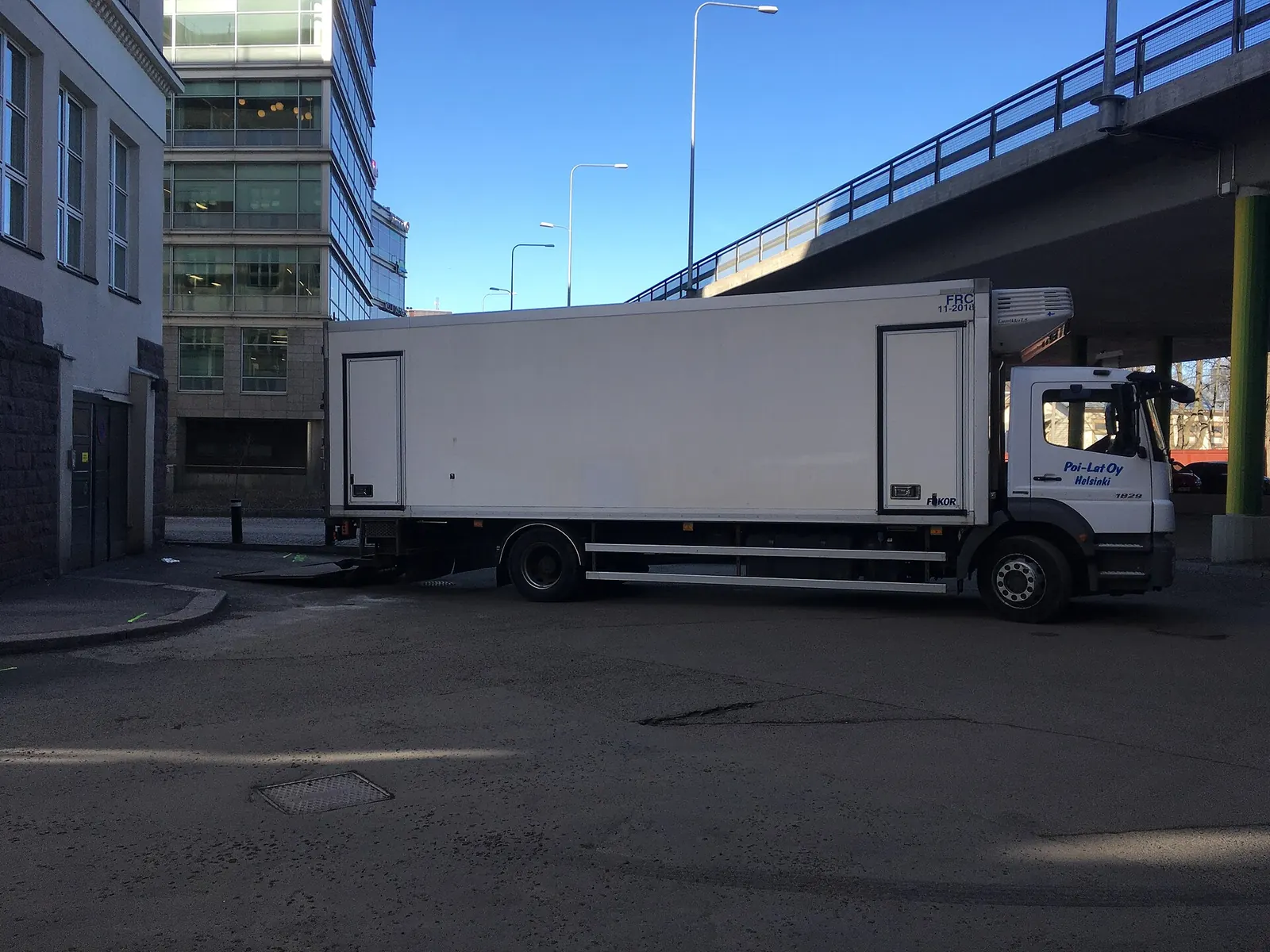
If you have freight that needs moving, you are a shipper in industry terms. Whether you send one pallet a month or manage a regional distribution network, the same fundamentals apply. This handbook collects them in one place and links to our detailed guides.
1. Pick the right mode
Start with the size and urgency of the shipment. Small parcels go by courier; one to six pallets usually go LTL; larger or time-sensitive shipments go full truckload. Recurring high-volume lanes may justify dedicated capacity, and long, non-urgent lanes can save money on intermodal rail.
- How to book a full truckload
- How to ship LTL, step by step
- International and cross-border shipping
- When to hand it all to a managed logistics provider
2. Carrier, broker or 3PL?
A carrier owns trucks and moves your freight. A freight broker arranges transportation using carriers' capacity and handles the matching, paperwork and tracking. A 3PL may do brokerage plus warehousing, freight audit and transportation management. All three are legitimate; what matters is transparency. In the US, check a company's operating authority on the FMCSA's public registration lookup, and confirm whether they're acting as carrier or broker on your load.
3. The bill of lading (BOL)
The BOL is the contract of carriage and the receipt for your goods. A complete BOL includes:
- Shipper and consignee names, addresses and contacts
- Number of handling units (pallets, crates) and pieces
- Commodity description, weight and, for LTL, NMFC class
- Special instructions: temperature, liftgate, appointment, hazmat details
- Reference numbers (PO, order, seal numbers)
- Declared value, where you want carrier liability above the default
Errors on the BOL lead directly to reclass charges, missed accessorials and weak claims, so it's worth templating.
4. Packaging and labeling
Use sound pallets (48" × 40" is the North American standard), keep cartons within the pallet footprint, stack heavy items at the bottom, and stretch-wrap tightly including the pallet itself. Corner boards and top caps help stack strength. Label each pallet on two sides with shipper, consignee, BOL number and piece count (e.g., "1 of 3").
5. Liability and freight insurance
Carrier liability is limited. LTL carriers commonly cap liability per pound depending on the commodity, and new or used goods may be covered very differently. If your goods are worth more than the carrier's limit, buy shipper's interest cargo insurance per shipment or under an annual policy. It is generally inexpensive and pays regardless of carrier fault, subject to the policy terms.
6. Damage and claims
- Inspect before signing the delivery receipt. Note specific damage or shortage (e.g., "2 cartons crushed") rather than vague notes.
- Photograph the freight, packaging and trailer.
- Keep the damaged goods and packaging for inspection.
- Report concealed damage found after delivery promptly; many carriers expect notice within days.
- File a written claim with the invoice, BOL, delivery receipt and photos. In the US, claims under the Carmack Amendment must generally be filed within nine months of delivery.
7. Freight invoices and audit
Check every invoice against the quote: weight, class, accessorials, fuel and any reweigh certificates. Duplicate billing and incorrect accessorials are common; many shippers use a freight audit service or a TMS to catch them automatically. See freight technology.
Shipper FAQ
Who pays freight: shipper or consignee?
Either. "Prepaid" means the shipper pays; "collect" means the consignee pays; "third party" means someone else (often a 3PL) is billed. It is marked on the BOL.
What is a proof of delivery (POD)?
The delivery receipt signed by the consignee, showing the date, time and condition notes. It is your evidence that delivery happened and in what condition.